
Government Shutdown Hurts National Parks
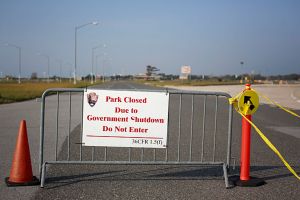
Parks can be a barometer of the quality of life in a community. They are a tangible reflection of environmental, economic and social health and during the 35 days the United States government was shutdown, our National Parks were in a storm of epic proportions. We saw pictures of wildlife picking through bins piled high with trash, latrines overflowed with waste, unfettered off-roading in fragile ecosystems and more. These images stood in stark contrast to the oasis of natural beauty we have come to associate with America’s public lands.
As National Park Service personnel remained furloughed during what was the longest government shutdown in U.S. history, the Department of the Interior struggled to obey the law while still trying to keep national parks as accessible as possible. One third of our national parks were completely closed. At the rest, some gates remained open but often with no park staff or resources. In some cases, national parks used supplemental funding from partner groups and state budgets to stay open, diverting resources from maintenance projects and park programs. For example, in Utah, the state used funds to keep Bryce Canyon, Zion and Arches national parks through Dec. 31, after which the parks remained open but the visitor’s centers were closed. New York paid $65,000 a day to keep Statue of Liberty National Monument and Ellis Island open. These efforts, though applauded, were unsustainable.
Several parks suffered irreparable damage such as Joshua Tree National Park in California. Joshua tree was kept open but without park staff. This lack of supervision led to damage at Joshua Tree including vandalism, tree-killing, and overflows of trash and human waste. Some park officials are estimating that it may take 200 to 300 years for the park to fully heal.
Here are a few more of the impacts felt across the national park system:
- Trash accumulated in wildlife-rich parks like Yosemite and Yellowstone. This could ruin efforts to de-habituate bears from human food and result in a rise in bear attacks.
- At Death Valley National Park, tire marks from off-road vehicles etched into the delicate landscape will take centuries to fade.
- While 16,000 furloughed park service employees stayed home and missed paychecks, unsupervised park visitors put themselves at greater risk of harm. According to the National Parks Conservation Association, a hiker at Yosemite died from a fall after chasing his dog down a dangerous trail that park rangers would have typically prevented him from taking.
- On top of the harm done to parks and visitors themselves, the NPCA estimated that the National Park Service lost $400,000 per day from entrance fee revenue.
The government shutdown reminds us that our park systems are fragile and it highlighted the herculean efforts that grass-roots friends groups put into their community. Friends groups and volunteers are vital for keeping parks open, safe and thriving during extreme cases of such as this. We appriciate the dedicated efforts of all the volunteers across the nation who stepped up to help during the shutdown.