
New York Parks Honor History

Throughout its history, New York State has been at the epicenter of many cultural transformations that have had national and global impact, and many state parks and historic sites reflect this rich and weighty history.
The Office of Parks, Recreation and Historic Preservation created the Historic Preservation Office in 1972, following the passage of federal and state legislation requiring the protection of historic resources, and mandated it to“help communities identify, evaluate, preserve, and revitalize their historic, archaeological, and cultural resources.”.
State Parks manages 40 State Historic Sites , many of national import and with National Historic Landmark.designation. Many parks and sites commemorate New York’s grand diversity. For example, Shirley Chisholm State Park in Brooklyn is named for the New York Congresswoman who was at the vanguard of black and women politicians. Other parks and sites honor former governors, presidents, scientists, and environmentalists.
State Parks strives to communicate information mindfully, especially when it involves diverse and under-represented populations. To that end, in January, the Bureau of Historic Sites hired Lavada Nahon as Interpreter of African American History. Nahon, who is also a culinary historian and editor, has experience interpreting the lives of enslaved persons, as well as freed slaves. She will support historic sites through research, programming, and outreach. Parks Commissioner Kulleseid believes that Nahon will help visitors connect to the past “while highlighting untold stories across all ethnic and social backgrounds.”
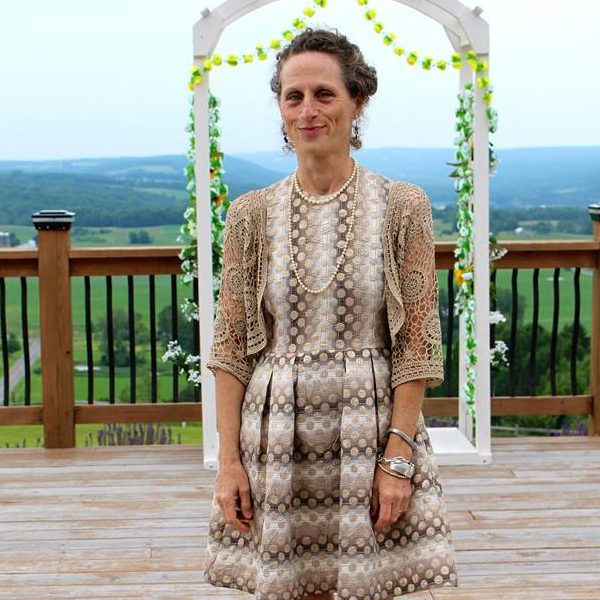 Pictured on left: Martha Swan, Executive Director of John Brown Lives!
The Historic Preservation Office is part of the International Coalition of Sites of Conscience, a global network of historic sites and museums memorializing human rights movements.
John Brown Lives! (JBL!), the Friends group for John Brown Farm State Historic Site, deeply believes in the mission of Sites of Conscience. John Brown was an abolitionist and his commitment to equity and tolerance guides JBL! in its efforts and programming.
Martha Swan, President of JBL!, appreciates that Sites of Conscience has developed techniques, tools, and workshops that “require participation in dialogue” and that don’t require a facilitator, yet promote reflection and out–of-the-box thinking. She also values that Sites of Conscience has connected JBL! with other organizations that have similar missions.
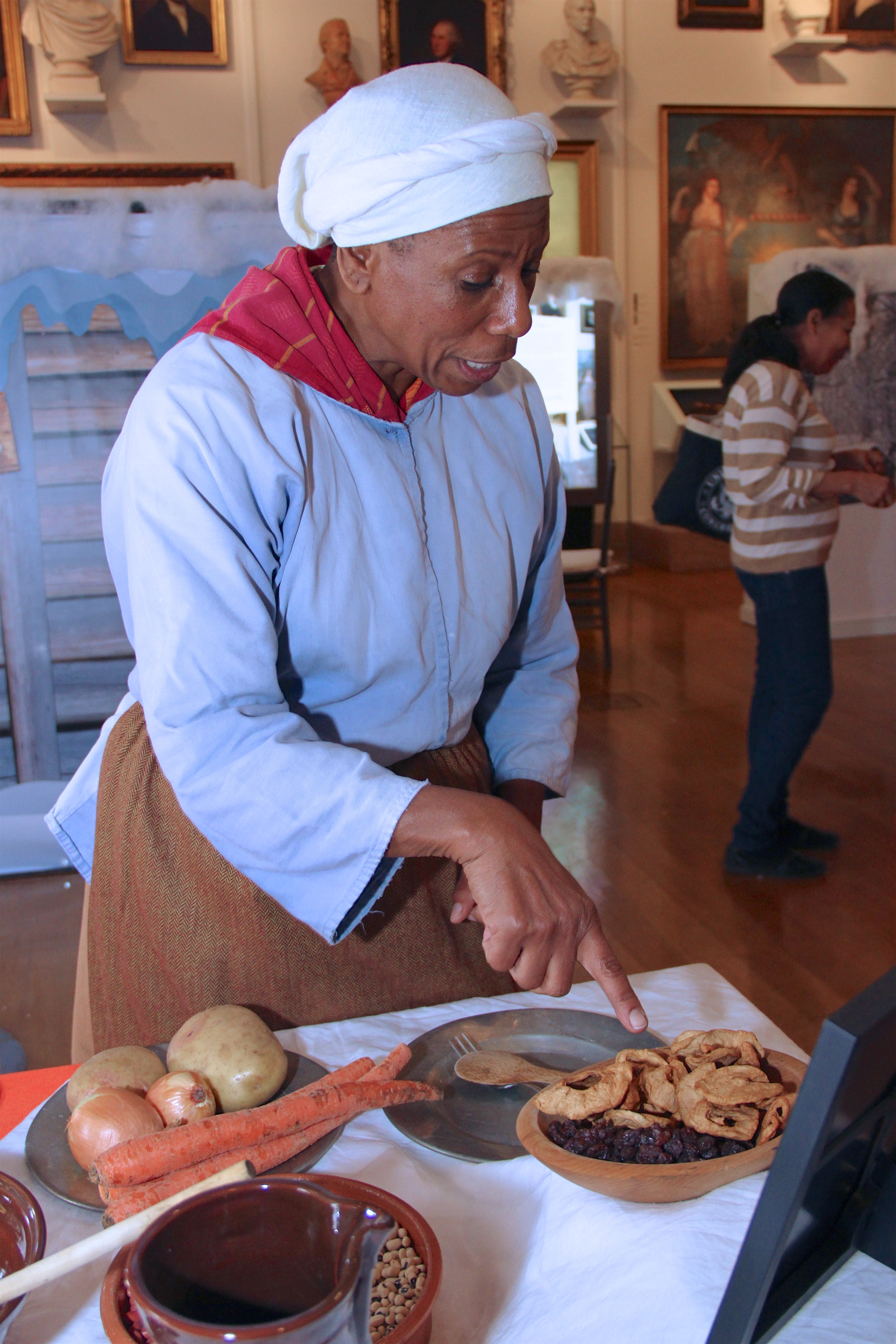
Pictured on right: Lavada Nahon interprets food history. at an event. (Source: New York Historical Society Museum & Library)
The Historic Preservation Office is taking significant steps to support historic sites in creating meaningful conversations and sharing diverse people’s stories. JBL! Feels very supported by the Historic Preservation Office, which has, according to Swan, provided “powerful tools which Friends groups have a responsibility to use well.”
“The knowledge, expertise, and conviction of the Historic Preservation Office makes so much possible,” concludes Swan.